Places · 唐津焼
Karatsu
Famous for tea wares — with very few bonsai pots in the source used here
Karatsu ware is the pottery of old Hizen, in the far west of Japan, and is well known for tea wares. This page records very few Karatsu bonsai pots.
Karatsu ware is the pottery of old Hizen, in the far west of Japan, and it is well known for tea wares. A specialist source used for this page describes old Karatsu bonsai pots as close to absent and says that even late Edo, Meiji and prewar examples were few. This short page sets out what that source shows, and what it does not let anyone say.
00 · At a glance
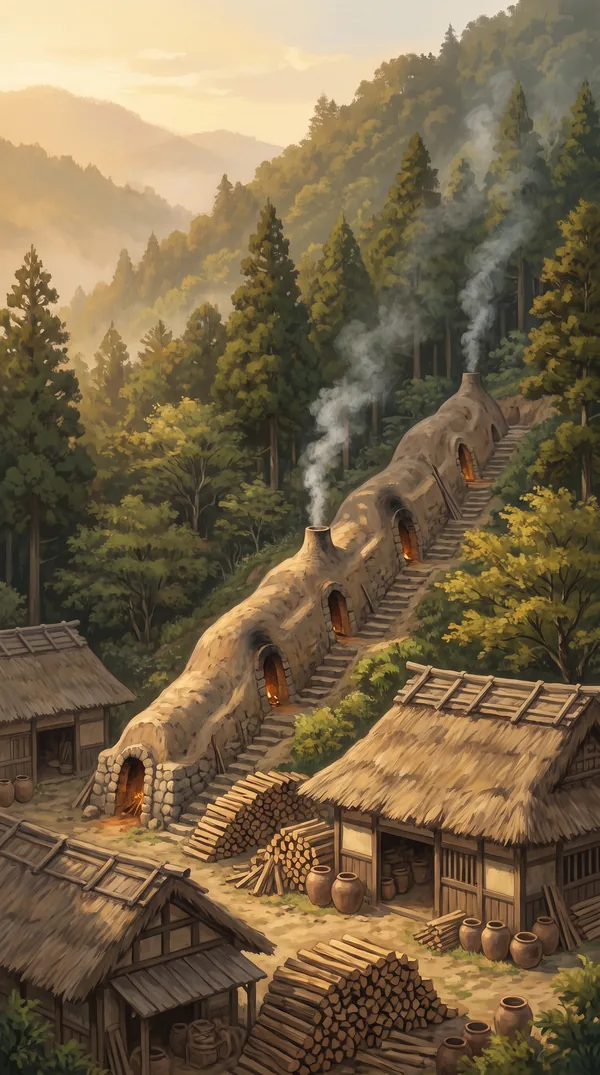
Karatsu, in four points
Place
Old Hizen
The pottery of the old province of Hizen, across present-day Saga and most of Nagasaki, excluding Iki and Tsushima, named after the port of Karatsu that shipped it.
Roots
Korean methods
The source contrasts it with Seto: Seto ware followed Chinese methods, while the Karatsu kilns came from Korean ones.
Known for
Tea wares
Plain, sturdy and practical ware, whose rough character people of tea came to prize.
Bonsai pots
Very few in this source
A specialist source used for this page describes old Karatsu bonsai pots as close to absent, and late Edo, Meiji and prewar examples as few.
01 · 唐津焼のあらまし
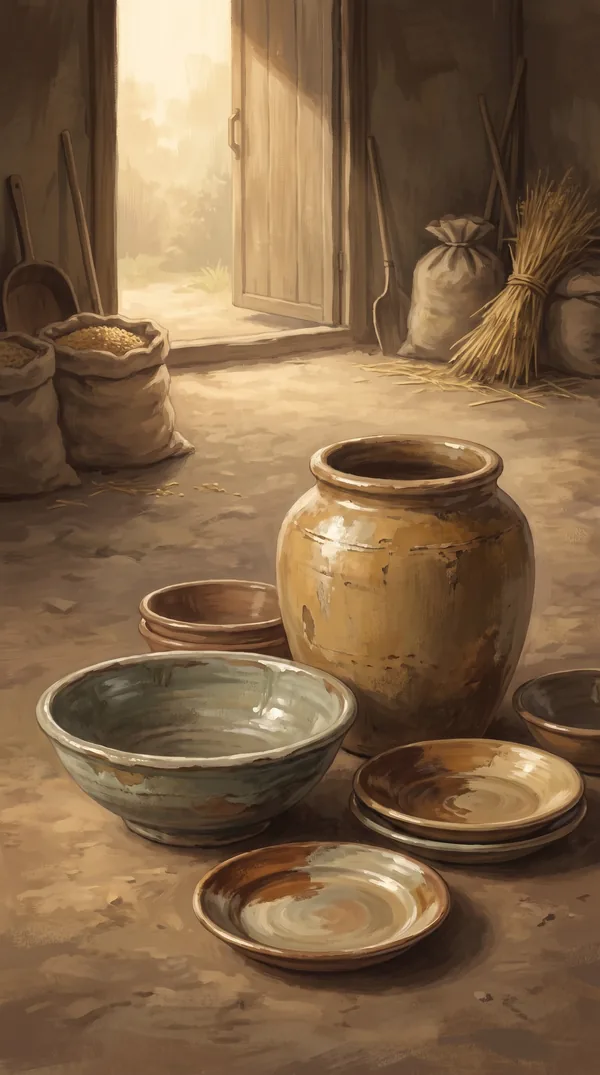
Karatsu ware in brief
In eastern Japan, ceramics in general were once called setomono, “Seto things”; in western Japan, karatsumono.
-
Late 16th century
Beginnings at Kishidake
Current archaeological and museum accounts place the beginnings of Karatsu ware at the foot of Kishidake (岸岳) in the late sixteenth century, using ceramic technology from the Korean peninsula.
-
Momoyama period
Everyday wares
The kilns grew, making jars, sake bottles, spouted bowls, mortars, bowls, dishes and tea bowls for daily use.
-
1590s–1610s
Expansion and peak
Production expanded across north-western Hizen after the Bunroku and Keichō campaigns — Japan’s invasions of Korea — and reached its peak from the late 1590s to the 1610s. As porcelain production grew in the early seventeenth century, the centre and character of ceramic production changed.
02 · 土と作風
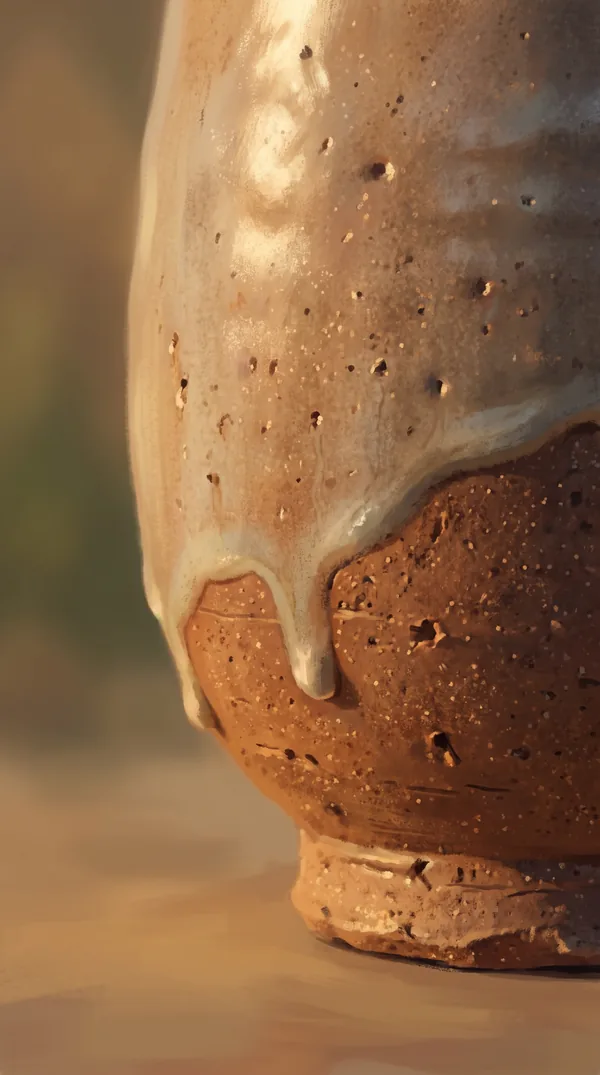
Clay and character
With so many kilns rising and falling, Karatsu styles are many. The source describes the common thread as free and rustic, with a folk-craft appeal.
Clay
Iron-rich and sandy
The clay is rich in iron and gritty; even under glaze, its rough texture shows.
Use
Plain and sturdy
Plain but strong, and made for use. People of tea found refinement in its roughness, and many old pieces were taken up as tea wares.
Types
Many names
The source lists ten historical and technical types, among them painted 絵唐津, carved 彫唐津 and mottled 斑唐津, and further names used in tea and antiques.
03 · 記録された盆器
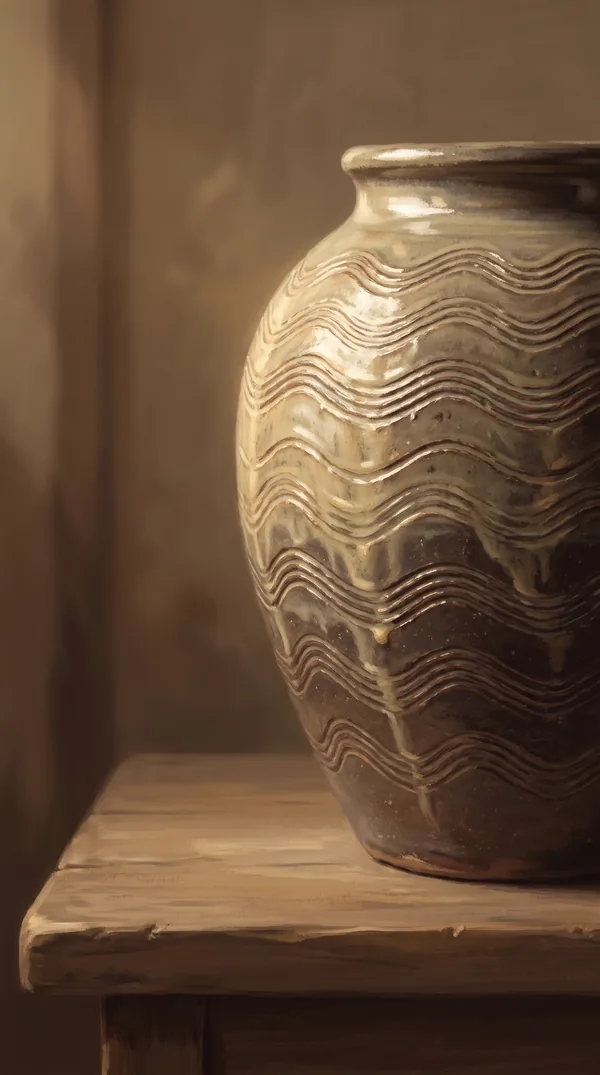
The few recorded pots
The source shows five entries for Karatsu bonsai pots, one of which is a pair. Here is what it says about each:
Painted
Drying nets and plovers
8.8 cm, a bag-shaped round pot. Painted Karatsu: drawn in iron-brown under a feldspathic clear glaze, with fishing nets hung to dry and plovers. The source notes how the clay and the form show through the glaze.
Spatula marks
Iron at the rim
19.3 cm, straw-ash glaze with iron glaze on the rim and broad spatula marks.
A pair
Comb marks
22 cm, straw-ash glaze with comb marks. The source says they recall old Karatsu, with a hand-built feel.
Orchid pot
Cut comb marks
19 cm, with crisply cut comb marks and a glaze the source finds attractive.
Crawled glaze
鬼ハゼ
21 cm, glazed with a feldspar-rich glaze whose crawled surface is popularly called 鬼ハゼ.
Four of the five entries carry straw-ash glazes with spatula or comb marks; one is painted. These are the five entries shown in the source, not a survey.
04 · 確認できること・できないこと
What can be said, and what cannot
Can be said
What this source records
A specialist source used for this page notes that, famous as Karatsu is for tea wares, old Karatsu bonsai pots are close to absent, and that even late Edo, Meiji and prewar examples were few. It does not claim to cover every collection or today’s market.
Can be said
What the five entries show
The five entries show straw-ash glazes, spatula and comb marks, a crawled glaze, and one painted pot.
Cannot be said
A date from the record
The source gives no date for any of the five entries. It describes one pair as recalling old Karatsu, but gives no date for it. The comparison is stylistic, not a date or attribution.
Cannot be said
A rule from five entries
These five entries do not define every Karatsu bonsai pot.
05 · YAKUMO と唐津
Karatsu at YAKUMO JAPAN
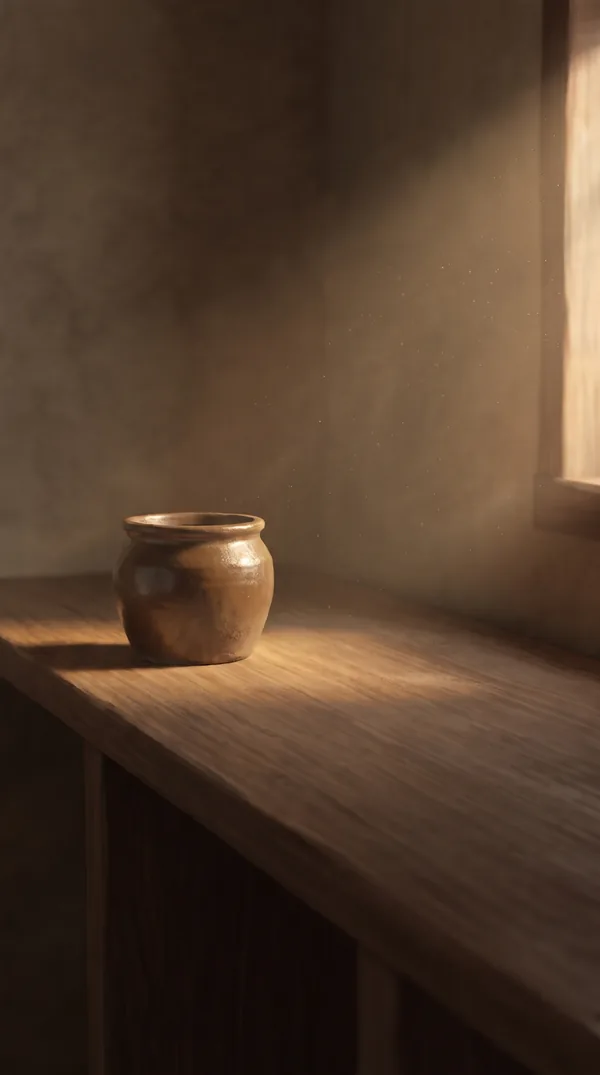
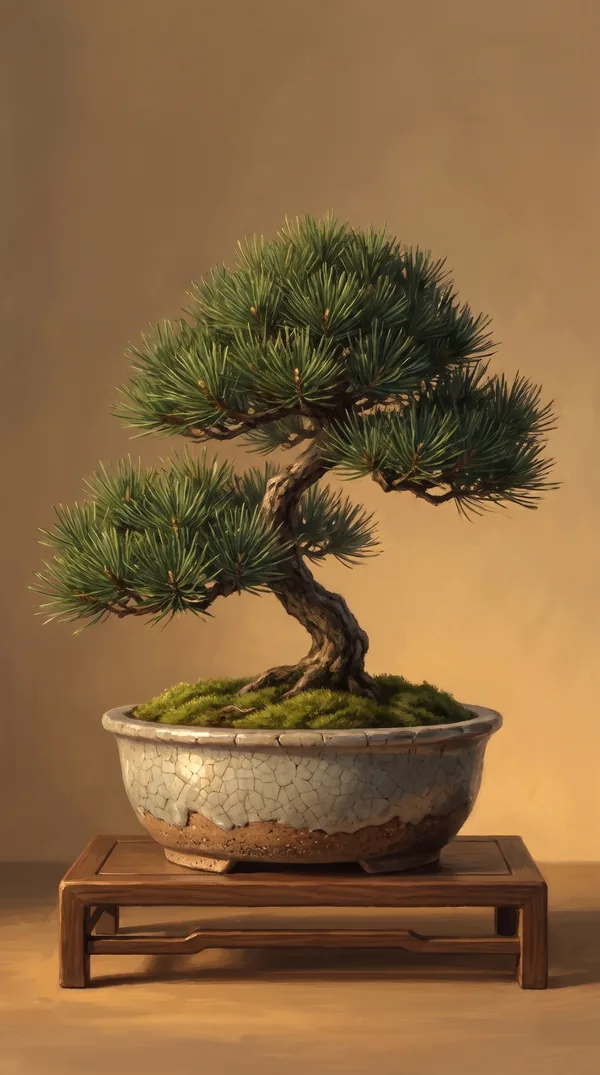
Current availability changes. Our pots are grouped on eBay by kiln and origin; the link below opens that section, so it always shows what is available now. The pictures on this page are illustrations, not pots for sale.
Browse bonsai pots by kiln and origin on eBay →
Listings ship from Tokyo; destination availability and terms are shown on eBay.
06 · Continue
Keep reading
Other pages in this series: