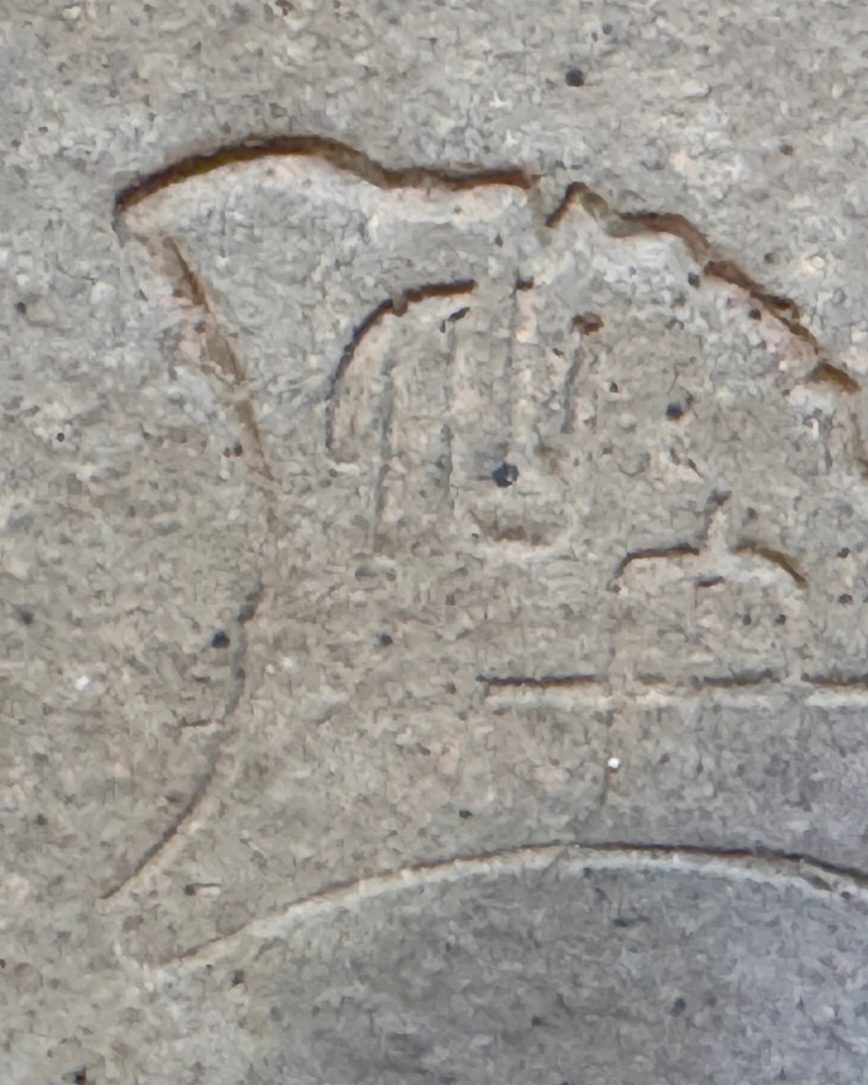
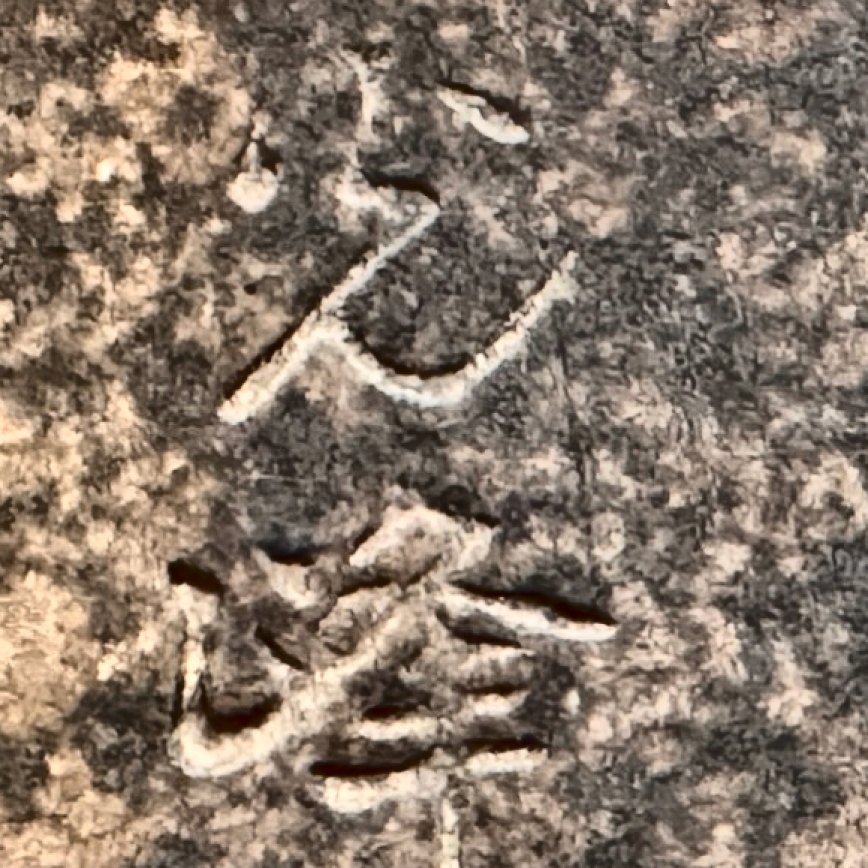
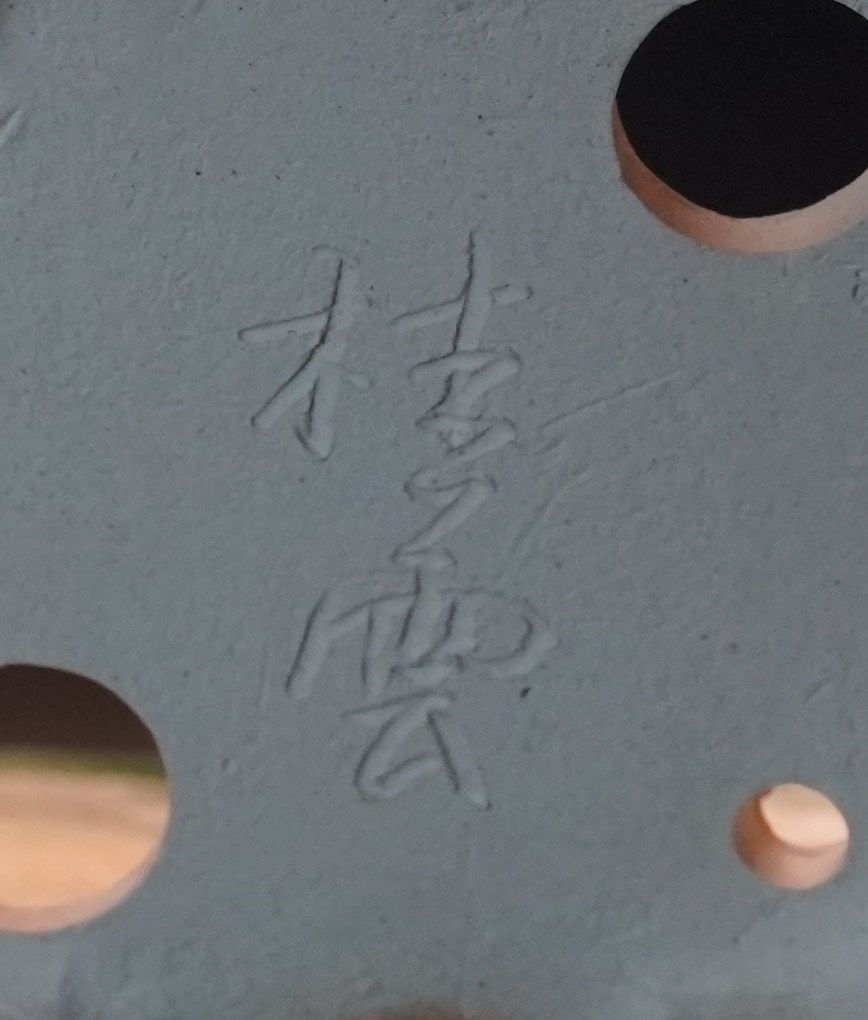
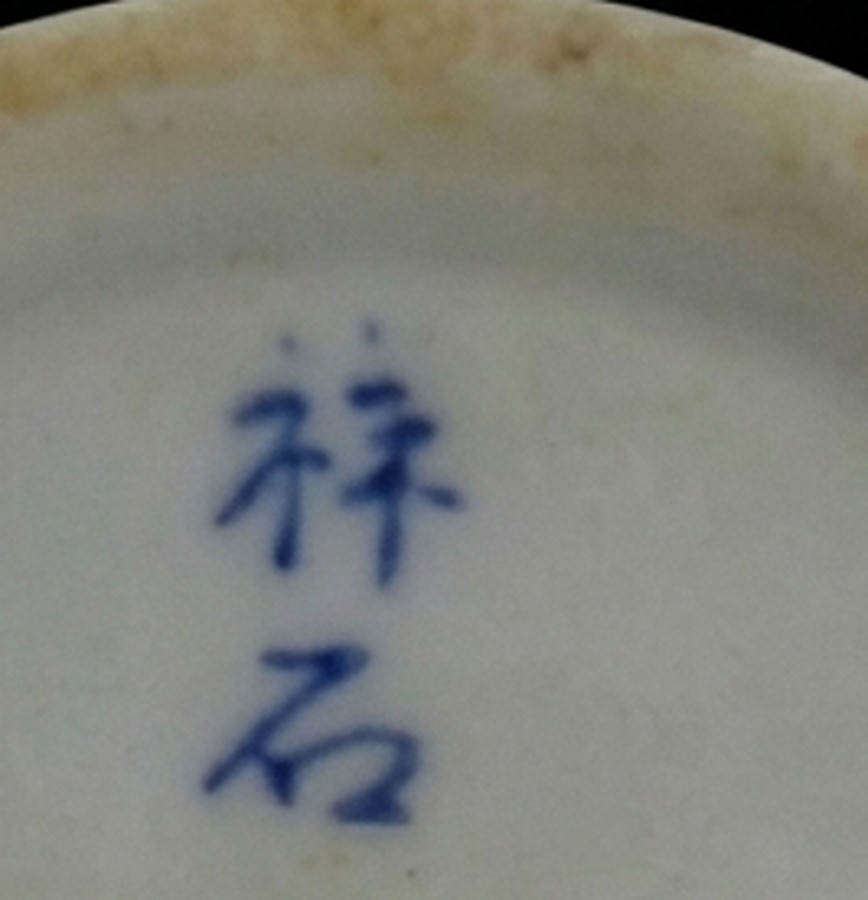
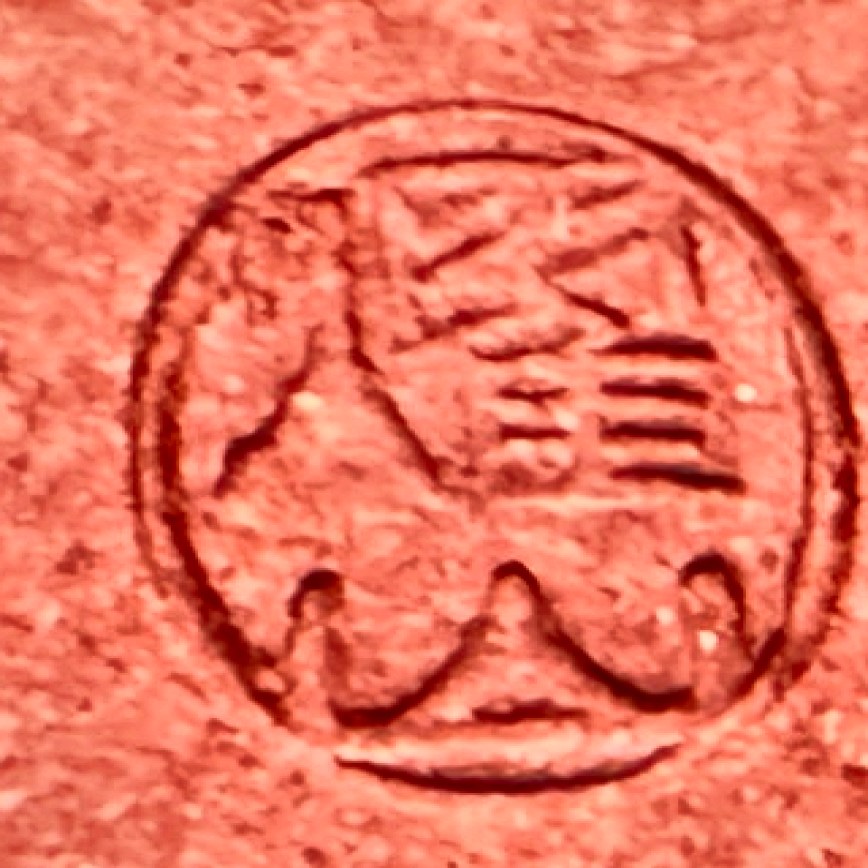
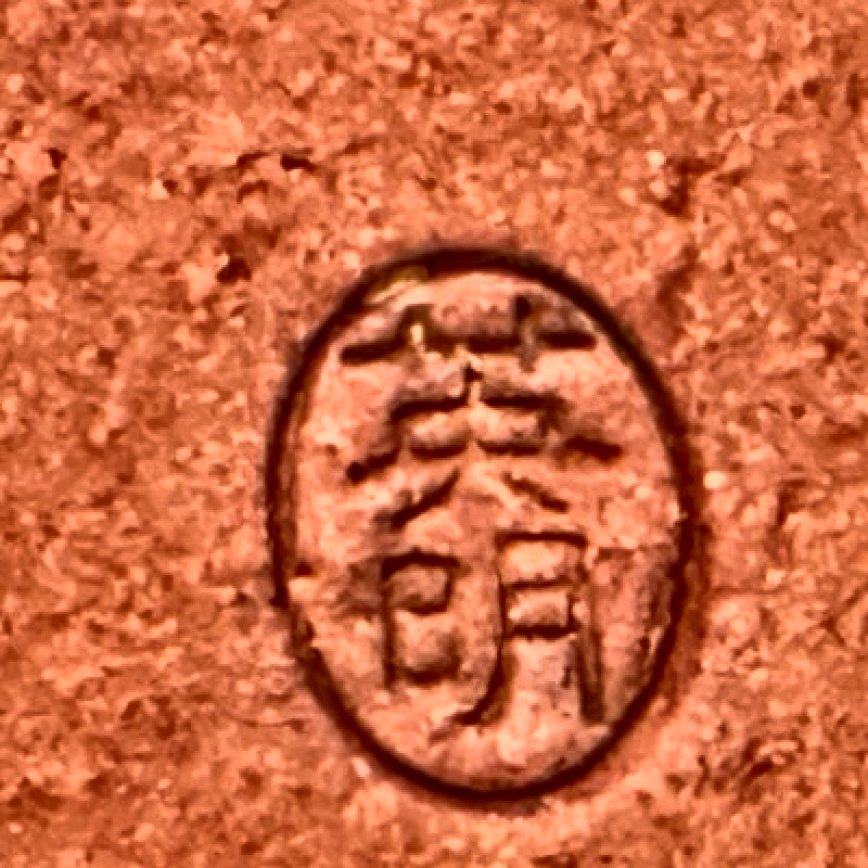
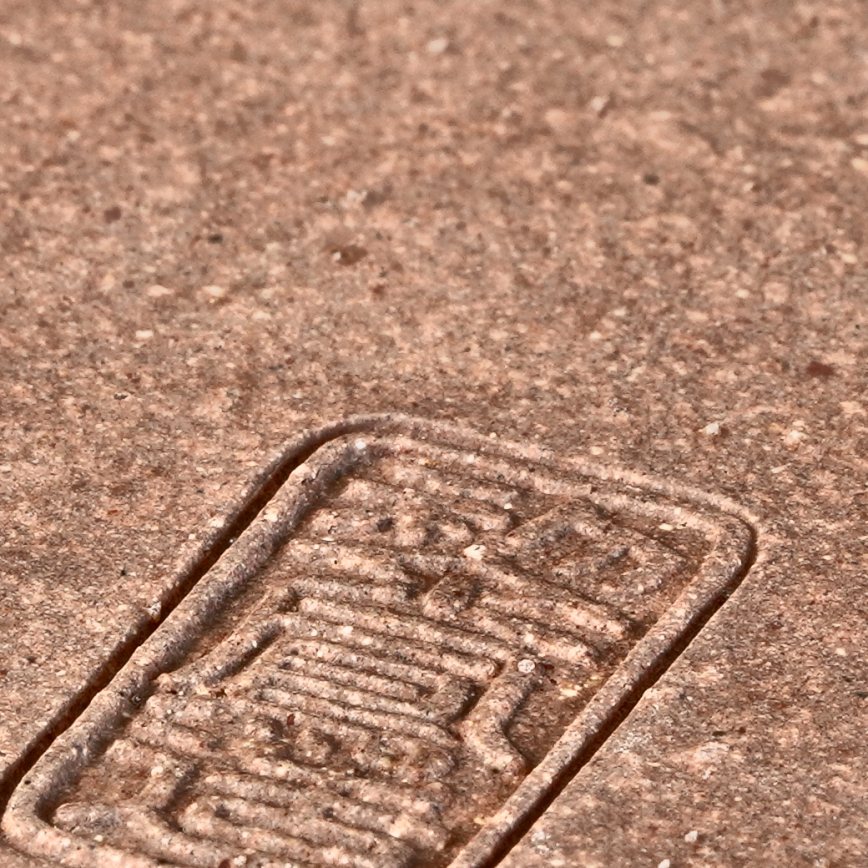
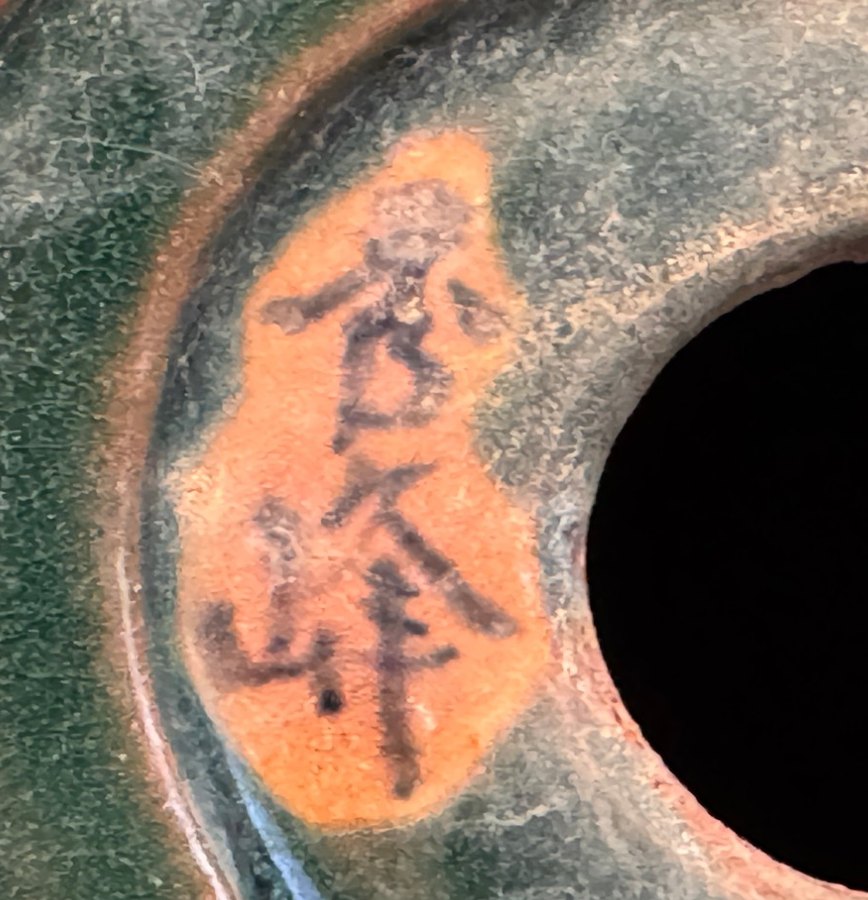
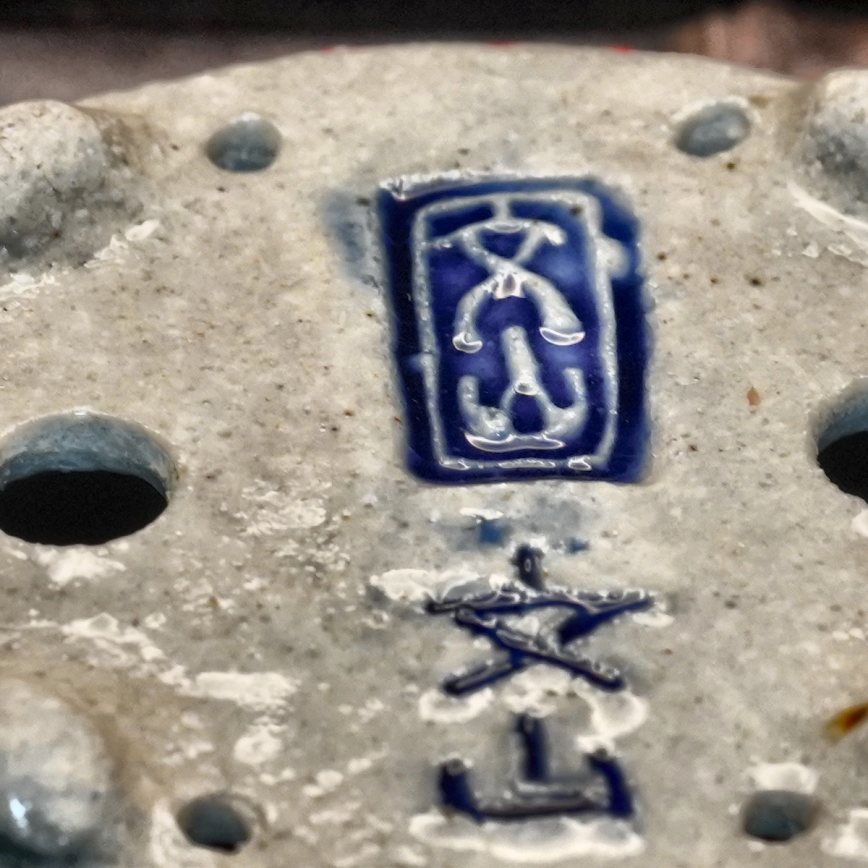
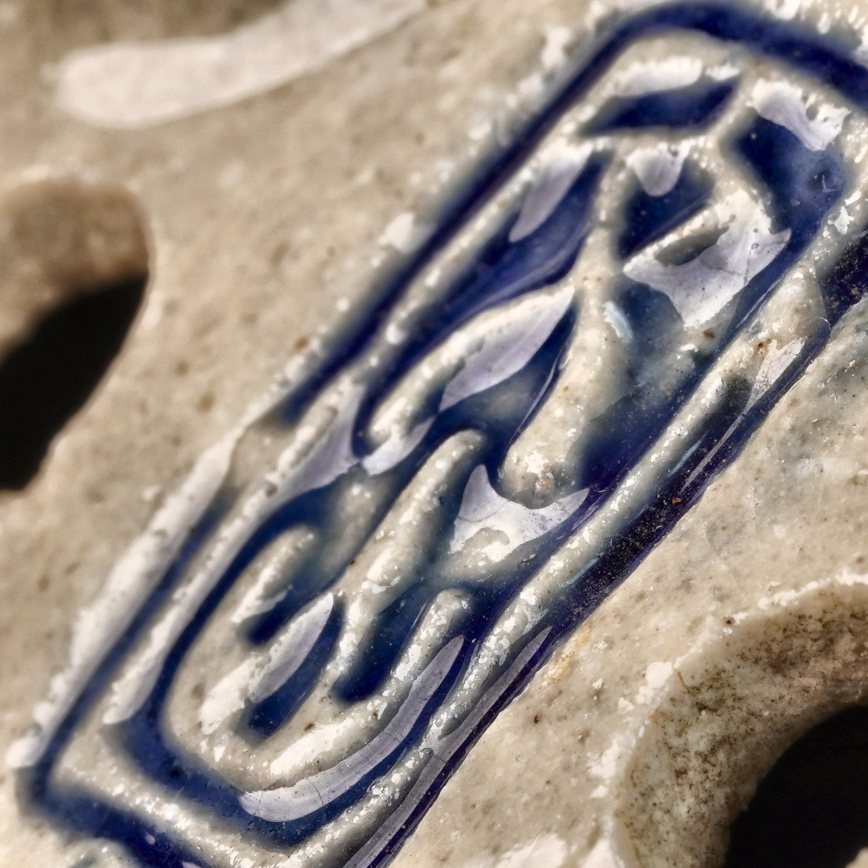
Start with what you can see without reading anything. Count the
characters — the index is grouped by that — and then look at how the mark was
put on. A mark pressed into the clay, a mark cut
into it with a point, and a mark painted on are three different things, and
telling them apart removes most of the list at once.
If you can already type the characters, or you know the name and want the mark, use the
search box. It matches the characters, the romanised name and the region together.
This index identifies marks. It does not authenticate pots.
A seal can be copied, inherited, or used by a workshop rather than a person, and several of
the entries below say so. Where a mark cannot settle a question, we have said which
question it cannot settle.
The characters on your pot may not look like the characters
below. Many stamped seals use 篆書体, an archaic
script commonly used for seals: a mark reading 美芸 is carved in
shapes an ordinary reader of Japanese would struggle with. Brushed and scratched
signatures may use other scripts. What is given here is the
reading — the characters in modern type. Use it to
confirm a transcription, to narrow by length and manner, and for the cautions.
Photographs are scarce here on purpose. The only marks shown are ones documented on
individual pots, so this part of the index grows one pot at a time.